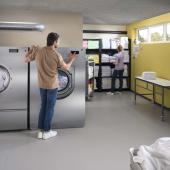


People tend to think laundry hygiene begins and ends with the wash cycle. Select the correct temperature, use the appropriate chemicals, choose a decent machine and the job is done. If only it were that simple. In reality, the biggest risks in a commercial laundry room often sit outside the drum, in the layout of the space, the way linen moves through it and whether the room has been properly designed for the demands placed on it. A strong laundry setup is not just about equipment; it is also about a process that works from the moment soiled linen enters the room to the moment clean linen leaves it.
This is where Liver Laundry comes in. We do not simply supply washers, dryers or ironers. We guide clients through the full laundry journey, whether that is fitting out a care home, upgrading a hotel laundry, reworking a sluice room or planning a new space from scratch. That means looking beyond machines to how the room functions, how dirty and clean areas are separated, how staff move within the space and how every stage of the process can be safer, smoother and more efficient. The aim is simple. A laundry room that works as a complete system, not a collection of disconnected products.
Good design is good business
Poor design is one of the main reasons standards slip. A room can have excellent equipment and still struggle if the workflow makes no sense. If soiled and clean linen follow the same path, if staff double back on themselves, if storage is forced into whatever space remains, then contamination risk rises and efficiency falls. The issue is not the machine. It is the environment around it. A properly designed laundry room removes those weak points before they become routine. It creates a clear route through the space, reduces handling and keeps separation where it matters.
In care homes especially, that difference is critical. Laundry is not just an operational task. It sits within the wider hygiene strategy of the building. The same applies to sluice rooms, which play an important role in containing contaminated items before they create larger issues elsewhere. When Liver Laundry works with a client, the discussion is not about what will fit into the room. It is about what will allow the room to operate properly, protect staff, use space effectively and maintain standards consistently.
Bespoke solutions
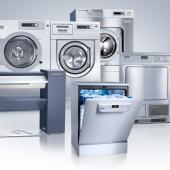
Once the layout is right, equipment decisions carry far more weight. Every site is different. A compact care home will not require the same setup as a high-volume hotel. Limited space may call for stacked dryers or a tighter finishing arrangement. Some sites benefit from chemical dosing that removes guesswork and improves consistency. Others require ironers or dishwashing equipment as part of a wider back-of-house operation. Specification should never be generic. It should reflect workload, space and day-to-day pressures. The role of Liver Laundry is to ensure those choices result in a system that works in practice, not just on paper.
Most laundry rooms are not designed. They evolve. A machine is replaced, a dryer is squeezed in, storage ends up wherever there is space. Over time, the room still functions, but the process behind it becomes harder to control.
Because laundry hygiene is not just about what happens in the drum. It is about everything that happens before and after it. The layout, the workflow and how the whole system fits together.
Achieve that, and the operation runs as it should. Fall short, and no amount of temperature or chemistry will compensate for it.
For help with your laundry operations call us today on: 0151 263 7451